Introduction
Bangladesh’s garment manufacturing industry operates in a highly competitive environment where production efficiency, cutting accuracy and machine reliability directly influence factory performance.
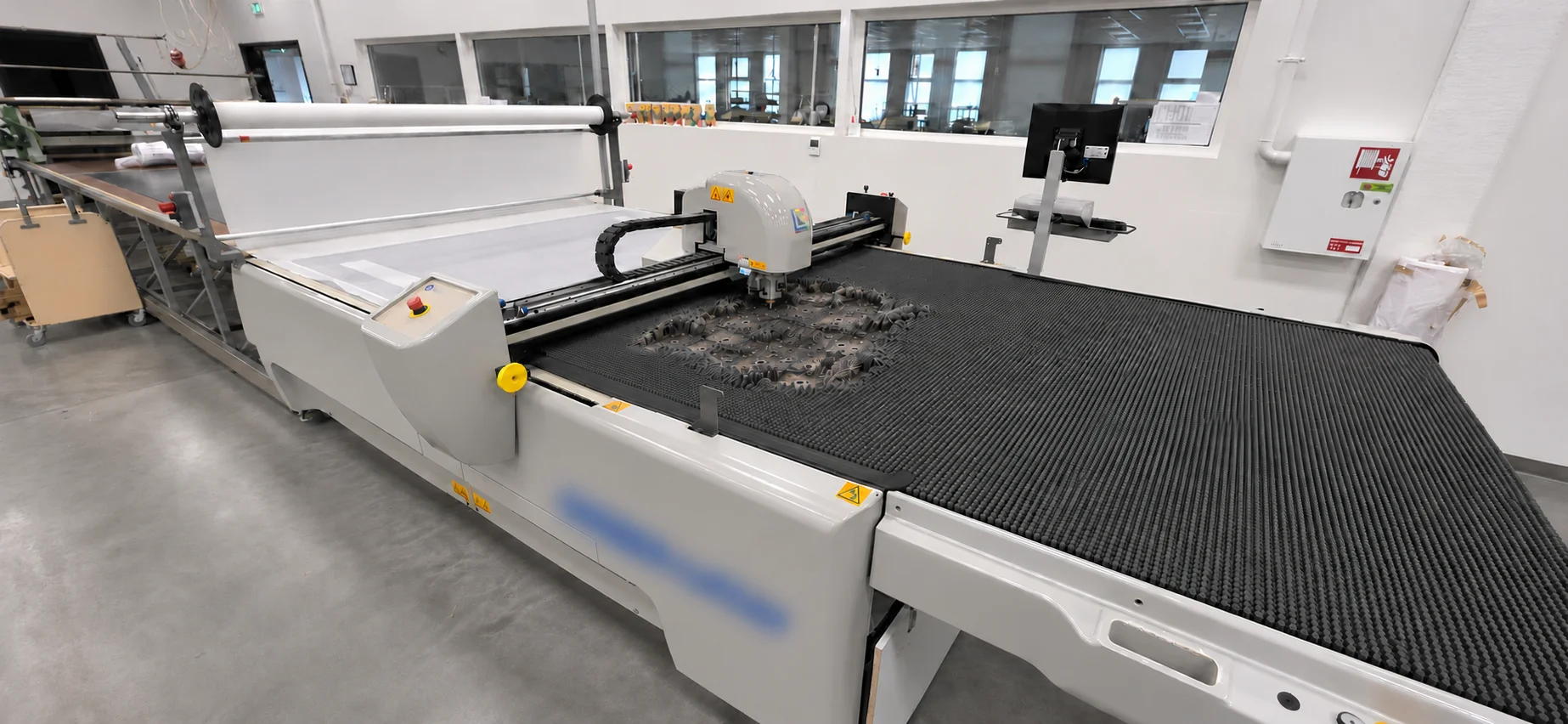
Automatic fabric cutting machines have become an essential part of modern garment manufacturing. From cutting multiple layers of fabric to maintaining precise pattern dimensions, these machines help garment factories improve productivity, reduce manual work and maintain consistent production quality.
However, maintaining the performance of an automatic cutting machine requires more than regular servicing. The quality of its spare parts and consumable components also plays an important role.
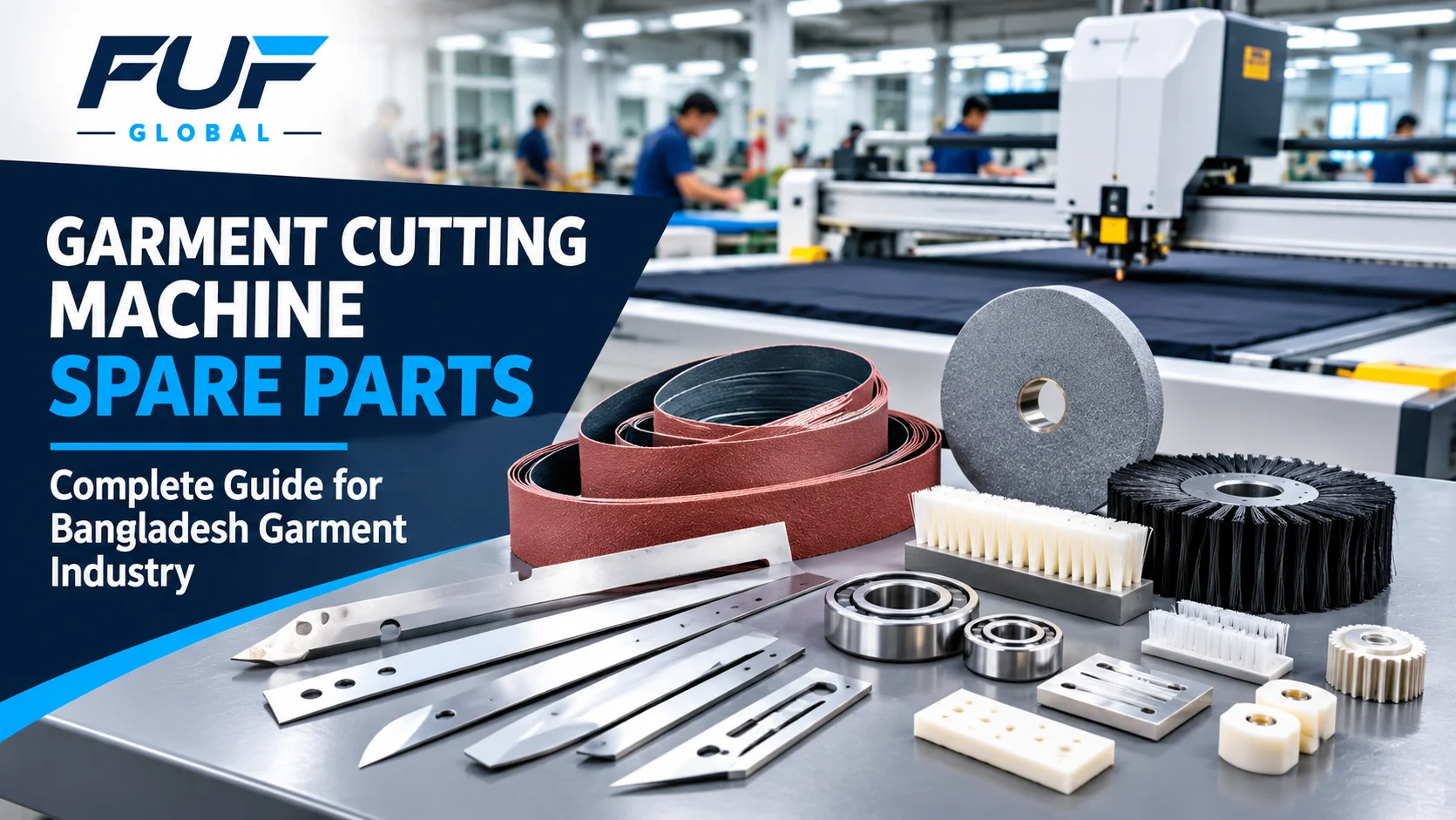
Cutting knives, sharpening belts, grinding components, brushes and mechanical replacement parts are essential for keeping cutting machines operating efficiently.
For garment factories in Bangladesh, choosing the right garment cutting machine spare parts is an important investment in production reliability and long-term operational efficiency.
At FUF Global, we focus on supplying quality replacement parts for garment cutting and sewing machinery, helping garment manufacturers maintain their production operations with dependable spare parts solutions.
In this guide, we explore the essential components of garment cutting machines, their functions, maintenance considerations and how to select the right replacement parts.
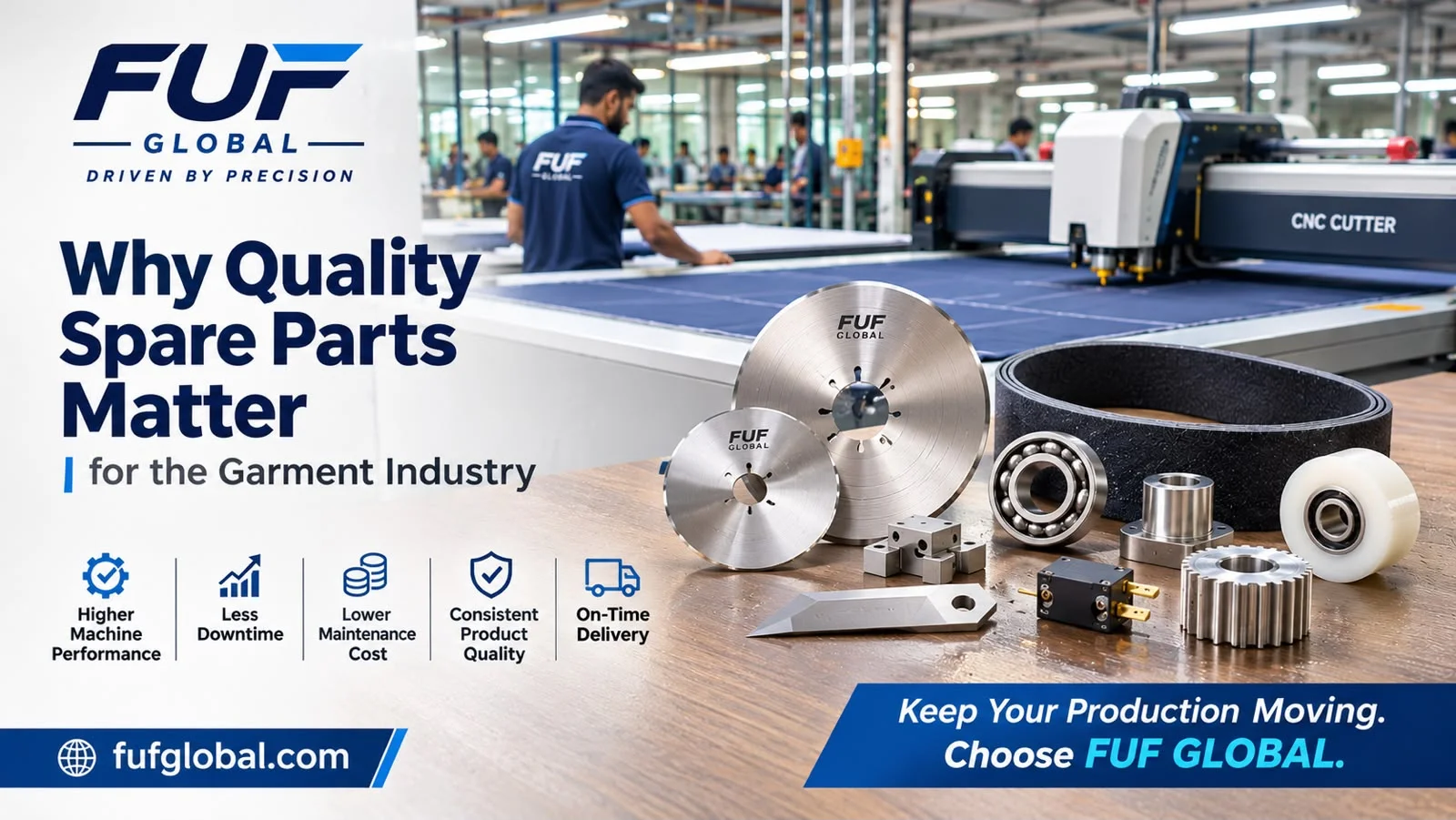
1. Why Quality Garment Cutting Machine Spare Parts Matter
An automatic fabric cutting machine operates under demanding production conditions. Depending on factory requirements, these machines may run for extended hours and process different types of fabrics every day.
Over time, consumable components wear out and mechanical parts may require replacement.
Using suitable, quality replacement parts can help garment factories achieve several operational benefits.
Improved Cutting Accuracy
Cutting knives and blades directly influence the quality of fabric cutting. Suitable blades help maintain consistent cutting performance and produce cleaner cutting edges.
Reduced Machine Downtime
Worn or damaged components can interrupt production. Timely replacement of essential spare parts helps reduce unexpected stoppages.
Better Production Efficiency
Well-maintained cutting machines can operate more consistently, helping factories maintain production schedules.
Improved Maintenance Planning
Using dependable replacement parts and monitoring their consumption makes preventive maintenance easier to organize.
Better Cost Management
The cheapest component is not always the most economical option. Service life, compatibility, replacement frequency and machine performance should all be considered when evaluating spare parts costs.
For Bangladesh garment factories working with demanding export schedules, these factors are particularly important.
2. Essential Spare Parts Used in Automatic Garment Cutting Machines
Understanding the function of different components helps maintenance engineers identify replacement requirements and maintain appropriate inventory.
A. Cutting Knives and Blades
Cutting knives are among the most important consumable components of an automatic fabric cutting machine.
They are responsible for cutting multiple layers of fabric according to programmed patterns and cutting instructions.
The performance of a cutting knife depends on several factors:
Blade material and hardness.
Cutting edge geometry.
Blade dimensions and thickness.
Machine model compatibility.
Fabric type and cutting conditions.
Different cutting machines require different knife specifications. Therefore, selecting the correct blade is essential for maintaining cutting quality.
FUF Global supplies garment machinery replacement parts, including cutting-related consumables. Contact our team to discuss your machine’s requirements.
B. Sharpening Belts
Sharpening belts are essential consumables in automatic cutting machines equipped with abrasive belt sharpening systems.
Their primary function is to maintain the cutting edge of the knife during machine operation.
Worn or unsuitable sharpening belts may affect sharpening consistency and cutting performance.
When selecting sharpening belts, consider:
Belt dimensions.
Abrasive material and grit.
Machine model compatibility.
Sharpening system specifications.
Expected service life under actual operating conditions.
Regular inspection and timely replacement help maintain consistent knife-sharpening performance.
C. Grinding Wheels and Sharpening Components
Some automatic fabric cutting machines use grinding wheels or specialized sharpening components.
These parts help maintain the cutting edge and support consistent blade performance.
The correct component must be selected according to machine specifications, dimensions and sharpening system requirements.
D. Brushes and Cleaning Components
Brushes and cleaning components help remove accumulated fabric fibres, dust and debris from relevant machine areas.
Regular cleaning and replacement of worn components support reliable machine operation and help prevent unnecessary wear.
E. Bearings and Mechanical Components
Bearings and mechanical components support the movement of different machine assemblies.
Worn bearings may cause:
Excessive vibration.
Abnormal operating noise.
Increased friction.
Mechanical instability.
Regular inspection helps maintenance teams identify potential problems before they affect production.
F. Electronic and Electrical Components
Modern automatic cutting machines rely on electronic and electrical systems for precise operation.
Depending on the machine model, replacement requirements may include:
Sensors.
Electronic control boards.
Motors and drives.
Electrical connectors.
Switches and control components.
These components must be selected according to the machine’s technical specifications.
3. Spare Parts for Different Garment Cutting Machine Brands
Bangladesh garment factories operate a wide range of international automatic cutting machines.
Different manufacturers use different machine configurations, dimensions and component specifications.
Some commonly encountered brands include:
Lectra Cutting Machines
Lectra automatic cutting systems are used in garment manufacturing facilities for precision fabric cutting.
Important replacement components may include cutting knives, sharpening belts, brushes and machine-specific mechanical parts.
Gerber Cutting Machines
Gerber cutting systems are widely associated with industrial garment cutting and CAD/CAM applications.
Depending on the model, maintenance requirements may include cutting blades, sharpening components and other machine consumables.
Bullmer Cutting Machines
Bullmer automatic cutting machines require suitable cutting knives, sharpening components and other model-specific replacement parts.
Kuris Cutting Machines
Kuris cutting systems use machine-specific cutting components and consumables that should be selected according to the exact model.
Other Industrial Cutting Machines
Garment factories may also operate machines from Morgan, FK, IMA and other manufacturers.
Important: Spare parts are not universally interchangeable between manufacturers or even between different models of the same brand. Always verify the machine model, part number, dimensions and specifications before ordering.
FUF Global aims to support garment machinery users with replacement parts for their machinery requirements.
4. How to Choose the Right Garment Cutting Machine Spare Parts
Selecting the correct replacement component is essential for maintaining machine performance.
Here are six important considerations for garment factories in Bangladesh.
1. Identify the Exact Machine Model
Before ordering spare parts, identify the machine brand and model. The model number helps determine the correct component specifications.
2. Verify Part Numbers
Whenever possible, provide the original part number, product photograph or technical drawing.
This helps reduce the risk of ordering an incompatible component.
3. Check Material Quality
For cutting knives and consumables, consider material composition, hardness, durability and manufacturing consistency.
4. Confirm Compatibility
A component that fits one machine model may not necessarily fit another. Confirm compatibility before purchasing.
5. Consider Long-Term Operating Costs
Evaluate product quality, expected service life and replacement frequency rather than considering purchase price alone.
6. Plan Spare Parts Inventory
Maintain appropriate stock of frequently used consumables based on actual production requirements and historical consumption.
5. Common Signs Your Cutting Machine Needs Replacement Parts
Recognizing early warning signs can help prevent unnecessary production interruptions.
Warning sign | Possible reason |
Uneven cutting edges | Worn or unsuitable cutting knife |
Frequent sharpening | Knife condition or sharpening system issue |
Excessive vibration | Mechanical wear or alignment problem |
Unusual operating noise | Bearing or mechanical component issue |
Inconsistent sharpening | Worn or unsuitable sharpening belt |
Repeated machine stoppages | Electrical, mechanical or control system fault |
These symptoms do not always indicate that a particular component needs replacement. Proper inspection and troubleshooting should identify the actual cause.
6. How Bangladesh Garment Factories Can Reduce Spare Parts Costs
Effective spare parts management can help reduce maintenance expenses and improve cutting room efficiency.
Maintain Spare Parts Inventory
Keep records of essential consumables, machine models, stock quantities and replacement history.
Monitor Monthly Consumption
Track the number of cutting knives, sharpening belts and other consumables used by individual machines.
Follow Preventive Maintenance
Inspect critical machine components regularly rather than waiting for a breakdown.
Purchase Suitable Quality Components
Using compatible, quality replacement parts can help avoid repeated replacement and unnecessary maintenance.
Maintain Proper Purchasing Records
Record supplier details, part numbers, purchase dates, quantities and machine compatibility information.
These practices help procurement and maintenance teams make better purchasing decisions.
7. Why Choose FUF Global for Garment Machinery Spare Parts?
At FUF Global, we understand the importance of dependable spare parts in garment manufacturing.
We specialize in supplying high-quality replacement parts for garment cutting and sewing machinery.
Our objective is to support garment manufacturers with reliable products, competitive pricing and professional customer support.
What Makes FUF Global a Reliable Choice?
Quality-Focused Products
We focus on supplying replacement components that meet the requirements of garment machinery users.
Competitive Pricing
We aim to provide competitive purchasing solutions for garment factories and machinery users.
Garment Machinery Focus
Our business focuses on garment cutting and sewing machinery spare parts and related consumables.
Customer Support
We understand that selecting the correct component is important. Our team can assist with product inquiries and spare parts requirements.
Worldwide Shipping
FUF Global supports customers with worldwide shipping solutions.
Whether you are managing an automatic cutting room, maintaining industrial fabric cutting machines or sourcing replacement consumables, FUF Global aims to support your spare parts requirements.
8. Frequently Asked Questions
What are the most commonly used garment cutting machine spare parts?
Common consumables and replacement components include cutting knives, sharpening belts, grinding wheels, brushes, bearings and machine-specific mechanical or electrical components.
Where can I get garment cutting machine spare parts in Bangladesh?
You can contact FUF Global for garment cutting and sewing machinery replacement parts. Visit www.fufglobal.com to explore the company’s products and submit your requirements.
How often should automatic cutting machine knives be replaced?
There is no universal replacement interval. Knife life depends on fabric type, cutting volume, blade material, machine settings and operating conditions.
Are compatible spare parts suitable for Lectra and Gerber machines?
Compatible replacement parts can be suitable when their dimensions, specifications and machine compatibility are properly verified. Always check the exact model and part number before ordering.
Why do sharpening belts need regular replacement?
Sharpening belts gradually wear during operation. Their abrasive performance may decrease over time, affecting sharpening consistency.
How can garment factories reduce spare parts purchasing costs?
Factories can improve cost management through preventive maintenance, inventory planning, consumption monitoring and selecting suitable quality replacement components.
What information should I provide when ordering spare parts?
Provide the machine brand, model, part number, required quantity and, where possible, photographs or technical drawings of the required component.
Conclusion
Garment cutting machine spare parts play an essential role in maintaining production efficiency, cutting accuracy and machine reliability.
For Bangladesh’s competitive garment manufacturing industry, selecting suitable replacement components and maintaining an effective spare parts management system can help reduce maintenance challenges and support uninterrupted production.
Whether your factory operates Lectra, Gerber, Bullmer, Kuris or other automatic fabric cutting machines, choosing the correct replacement components should remain an important priority.
FUF Global is committed to supporting garment machinery users with quality replacement parts, competitive pricing, reliable products and professional customer support.
Looking for Garment Cutting Machine Spare Parts?
Let FUF Global support your garment machinery spare parts requirements.
Visit www.fufglobal.com to explore our product range and contact our team for product inquiries.
FUF Global – Driven By Precision.